1. High-efficiency lighting: 400Wmini LED Grow Light agriculture use advanced LED technology to provide the spectrum and light intensity required by plants to promote plant growth and reproduction. It can emit blue and red light suitable for plant photosynthesis, providing the light energy needed by the plant.
2. Energy saving and environmental protection: Compared with traditional plant lamps, 400Wmini plant lamps have higher energy efficiency and lower energy consumption. It uses an LED light source, which is more energy efficient than traditional incandescent or fluorescent lamps and reduces energy waste. In addition, it has no release of harmful substances and is more friendly to the environment.
3. High quality material: 400Wmini plant lamp adopts high quality aluminum alloy shell, which has good heat dissipation performance, can effectively reduce the temperature of the lamp and extend the service life. At the same time, it is also waterproof and dust-proof, suitable for indoor and outdoor planting environments.
4. Easy to install and use: 400Wmini led grow light agriculture compact size, light weight, easy to install. It comes with an adjustable stand and hanging chain that can be adjusted according to the growth needs of the plant. In addition, it also has a timing switch and brightness adjustment function, which is convenient for users to set according to their needs.
commercial full spectrum led grow light with uv,led grow lamp ,full spectrum led Shenzhen Pvison Technology Co., Ltd. , https://www.pvisunggrowlight.com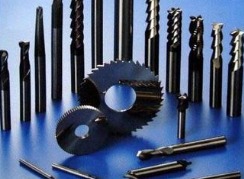 Improving the accuracy of rod-shaped tools remains a significant challenge in tool manufacturing. One of the main reasons is that the active part of the tool is long, and the cutting edge is far from the clamping section during the manufacturing process. This distance leads to increased radial runout at the cutting edge before grinding begins—typically ranging from 0.005mm to 0.01mm, sometimes even more. Additionally, the chuck itself has a limited clamping precision (usually between 0.002mm and 0.005mm), which further contributes to inaccuracies.
The grinding process for these tools is particularly intense, especially when shaping the sipes. High grinding forces and significant elastic deformation often lead to various issues, such as uneven flute patterns, incorrect outer dimensions, blade parameter deviations, and shape errors. In extreme cases, the tool may even break. Below is a detailed discussion on the factors affecting the accuracy of slender rod-shaped tools during machining.
First, the impact of the machine tool on tool accuracy cannot be overlooked. The overall precision of the machine tool directly determines the quality of the final product. For slender rod tools, this is no different. A key component in this process is the support block, which is used to stabilize the tool during machining. It can be adjusted both horizontally and vertically, allowing for precise positioning based on the specific requirements of the job. If the support block is not properly positioned along the axial direction of the tool, it can result in poor-quality tools. If placed too low, the tool may develop an inverted cone shape along its length. Conversely, if it's too high, it might cause excessive pressure, leading to a forward taper. Therefore, accurate placement of the support block is crucial for maintaining tool precision.
Second, the grinding wheel plays a critical role in determining the tool’s accuracy. All tool parameters are defined by the relative motion between the grinding wheel and the workpiece. Factors such as the diameter of the grinding wheel, the angle at which it cuts, the length of the flange, the wear condition of the wheel, and the grain size all influence the final result. Incorrect measurement or input of the grinding wheel angle can lead to issues like inconsistent blade width, improper step surface angles, back angle errors, and groove angle discrepancies.
Third, the cooling effect of the coolant significantly affects the accuracy of the tool. Proper coolant selection and appropriate pressure ensure that the cooling fluid reaches the grinding area effectively. This helps remove heat and debris quickly, reducing surface roughness and improving the overall quality of the tool. Without adequate cooling, thermal expansion and chip accumulation can compromise the precision of the final product.
In summary, achieving high accuracy in the production of slender rod tools requires careful attention to multiple factors, including machine tool precision, support block positioning, grinding wheel characteristics, and effective cooling. By addressing each of these elements, manufacturers can greatly enhance the performance and reliability of their tools.
Improving the accuracy of rod-shaped tools remains a significant challenge in tool manufacturing. One of the main reasons is that the active part of the tool is long, and the cutting edge is far from the clamping section during the manufacturing process. This distance leads to increased radial runout at the cutting edge before grinding begins—typically ranging from 0.005mm to 0.01mm, sometimes even more. Additionally, the chuck itself has a limited clamping precision (usually between 0.002mm and 0.005mm), which further contributes to inaccuracies.
The grinding process for these tools is particularly intense, especially when shaping the sipes. High grinding forces and significant elastic deformation often lead to various issues, such as uneven flute patterns, incorrect outer dimensions, blade parameter deviations, and shape errors. In extreme cases, the tool may even break. Below is a detailed discussion on the factors affecting the accuracy of slender rod-shaped tools during machining.
First, the impact of the machine tool on tool accuracy cannot be overlooked. The overall precision of the machine tool directly determines the quality of the final product. For slender rod tools, this is no different. A key component in this process is the support block, which is used to stabilize the tool during machining. It can be adjusted both horizontally and vertically, allowing for precise positioning based on the specific requirements of the job. If the support block is not properly positioned along the axial direction of the tool, it can result in poor-quality tools. If placed too low, the tool may develop an inverted cone shape along its length. Conversely, if it's too high, it might cause excessive pressure, leading to a forward taper. Therefore, accurate placement of the support block is crucial for maintaining tool precision.
Second, the grinding wheel plays a critical role in determining the tool’s accuracy. All tool parameters are defined by the relative motion between the grinding wheel and the workpiece. Factors such as the diameter of the grinding wheel, the angle at which it cuts, the length of the flange, the wear condition of the wheel, and the grain size all influence the final result. Incorrect measurement or input of the grinding wheel angle can lead to issues like inconsistent blade width, improper step surface angles, back angle errors, and groove angle discrepancies.
Third, the cooling effect of the coolant significantly affects the accuracy of the tool. Proper coolant selection and appropriate pressure ensure that the cooling fluid reaches the grinding area effectively. This helps remove heat and debris quickly, reducing surface roughness and improving the overall quality of the tool. Without adequate cooling, thermal expansion and chip accumulation can compromise the precision of the final product.
In summary, achieving high accuracy in the production of slender rod tools requires careful attention to multiple factors, including machine tool precision, support block positioning, grinding wheel characteristics, and effective cooling. By addressing each of these elements, manufacturers can greatly enhance the performance and reliability of their tools.